Introduction
When it comes to transforming a space, few things can make as significant an impact as a fresh coat of paint. Whether you're looking to breathe new life into your home or prepare a property for sale, understanding the nuances of interior painting is crucial. In this comprehensive guide, Successful Interior Painting Projects: Lessons Learned from Pros, we'll delve deep into the world of interior painting. We'll explore the strategies employed by professional painters and painting contractors that can help you achieve stunning results.
With over six thousand words packed with valuable insights, tips, and lessons learned from seasoned experts, you'll not only understand the technical aspects of painting but also the mindset needed for successful projects. So grab your paintbrush and let's dive in!
Successful Interior Painting Projects: Lessons Learned from Pros
Understanding Your Space: Choosing Colors Wisely
Choosing the right color can make or break your interior painting project. What factors should you consider when selecting colors?
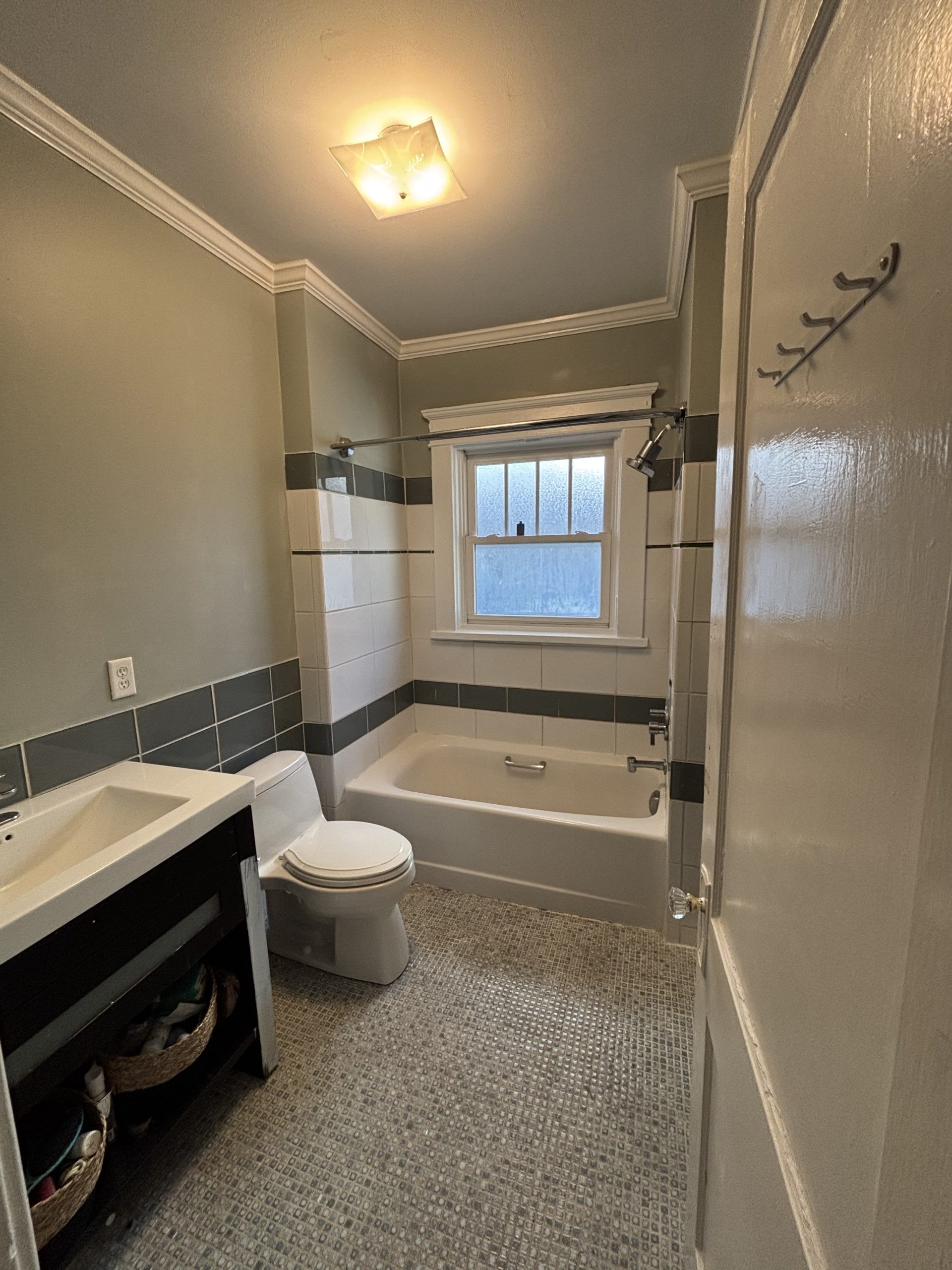
Tips for Selecting Colors
- Test Samples: Always sample paint colors on your walls before committing. Color Psychology: Understand how colors affect mood—blues are calming while yellows are energizing. Complementary Schemes: Use color wheels to find complementary shades that work well together.
Preparing Your Space: The Key to Success
Before any brush touches paint, preparation is essential. This step is often overlooked but sets the stage for a successful outcome.
Steps to Prepare Your Space
Clear Furniture: Move furniture out or cover it with drop cloths. Clean Surfaces: Dust and clean walls to ensure proper adhesion of paint. Repair Imperfections: Fill holes and cracks; sand down rough patches for a smooth finish.Tools of the Trade: Essential Equipment for Interior Painting
What tools do professional painters swear by? Having the right equipment can significantly enhance efficiency and results.
Must-Have Painting Tools
- Quality Brushes & Rollers: Invest in high-quality brushes and rollers suited for different surfaces. Paint Sprayer: For large areas, a sprayer may save time and provide an even finish. Painter’s Tape: Create sharp lines between different colors or edges.
| Tool | Purpose | |-------------|-----------------------------------------------------| | Brushes | Detail work on corners and edges | | Rollers | Cover large surfaces quickly | | Sprayers | Achieve a smooth finish on expansive areas | | Tape | Prevents paint bleed onto other surfaces |
Hiring Professional Painters vs DIY Approaches
Should you hire a painting company or tackle the job yourself? Let’s weigh the pros and cons.
Benefits of Hiring Professional Painters (Painting Contractors)
- Expertise & Experience: Professionals know techniques that yield superior finishes. Time-Saving: Experts work efficiently, reducing time spent on projects. Insurance & Guarantees: Many painting contractors offer warranties on their work.
Advantages of DIY Painting
- Cost Savings: Doing it yourself eliminates labor costs associated with hiring painters. Personal Satisfaction: Completing your project can feel rewarding!
Common Mistakes in Interior Painting Projects
Even seasoned house painters make mistakes from time to time! Here are pitfalls to avoid:
Skipping Primer: Primer creates a base for better adhesion, especially over darker paints. Ignoring Drying Times: Patience is key; rushing between coats may lead to flaws. Neglecting Cleanup: Proper cleanup after painting ensures longevity of tools and safety.Techniques Used by Experienced House Painters
What techniques do professionals use that could elevate your project?
Painting Techniques to Consider
- Cutting In: Master cutting in around trim and edges for clean lines without tape. Rolling Technique: Apply paint in consistent strokes—W patterns help spread evenly.
Exterior vs. Interior Painting Techniques
While we’re focused on interior projects, understanding differences can be beneficial when considering an overall refresh of your home’s aesthetics.
Differences Between Exterior and Interior Painting
Durability Needs:- Exterior paints must withstand weather changes whereas interior paints focus more on aesthetics.
- Exterior painters might use sprayers more often due to larger surface areas compared to detailed interior work.
Cost Considerations in Interior Painting Projects
How much should you budget for an interior painting project? Let's break it down!
Factors Influencing Costs
Square Footage of Area Being Painted Type of Paint Chosen Labor Costs if Hiring Professionals| Area | Estimated Cost (DIY) | Estimated Cost (Hiring Pro) | |--------------------------|----------------------|------------------------------| | Small Room | $200-$400 | $500-$700 | | Medium Room | $400-$800 | $800-$1500 | | Large Open Space | painters $800+ | $1500+ |
Timing Your Project Right
When's the best time to embark on an interior painting project? Seasons play a crucial role!
Seasonal Considerations
Spring & Summer:- Ideal due to warmer temperatures allowing quicker drying times
- Indoor projects are perfect during colder months when windows stay closed; however, humidity levels must be manageable.
Eco-Friendly Paint Options
Are you environmentally conscious? There are plenty of eco-friendly options available today!
Why Choose Eco-Friendly Paints?
Healthier Indoor Air Quality Less Environmental Impact during Production Non-Toxic Ingredients Avoid Harmful ChemicalsCreating Texture with Paint Techniques
Texture adds depth! How can you create unique looks using various techniques?
Popular Texturing Methods
Sponging Rag Rolling StipplingEach technique produces varying effects that can enhance visual interest.
FAQs About Successful Interior Painting Projects
1. How long does an interior painting project typically take?
The timeline varies based on size and complexity but generally ranges from one day for small rooms up to several days for larger spaces when hiring professionals or if doing it yourself diligently.
2. Can I use exterior paint inside my home?
It's not recommended as exterior paints contain additives designed for weather resistance which may emit harmful fumes indoors.
3. How do I choose between matte and glossy finishes?
Matte finishes hide imperfections better but are harder to clean; gloss reflects light making spaces appear bigger but shows flaws easily—choose based on room usage!
4. Should I remove furniture before starting?
Yes! To protect both furniture and ensure access without obstruction—move items out completely or cover them appropriately if unable to relocate them entirely.
5. What safety precautions should I take while painting?
Always ventilate your workspace properly, wear gloves/masks if necessary especially around harsh chemicals found in some paints; ensure areas are clear from children/pets during service times too!
6 .How many coats of paint will I need?
Typically two coats provide optimal coverage—first coat primes surface while second reinforces color vibrancy—but this depends on color changes too! Always check manufacturer recommendations about specific products used.
Conclusion
In conclusion, embarking on an interior painting project is both exciting and challenging—a balance between creativity, knowledge, patience, preparation—and sometimes seeking assistance from skilled house painters or experienced painting contractors enhances outcomes tremendously! By incorporating lessons learned from professionals throughout this article entitled "Successful Interior Painting Projects: Lessons Learned from Pros," you're well-equipped with knowledge about everything ranging from color selection strategies all the way through practical execution techniques ensuring striking transformations within every room tackled! Embrace these insights as tools at hand—the final masterpiece awaits just beyond each brushstroke applied!